



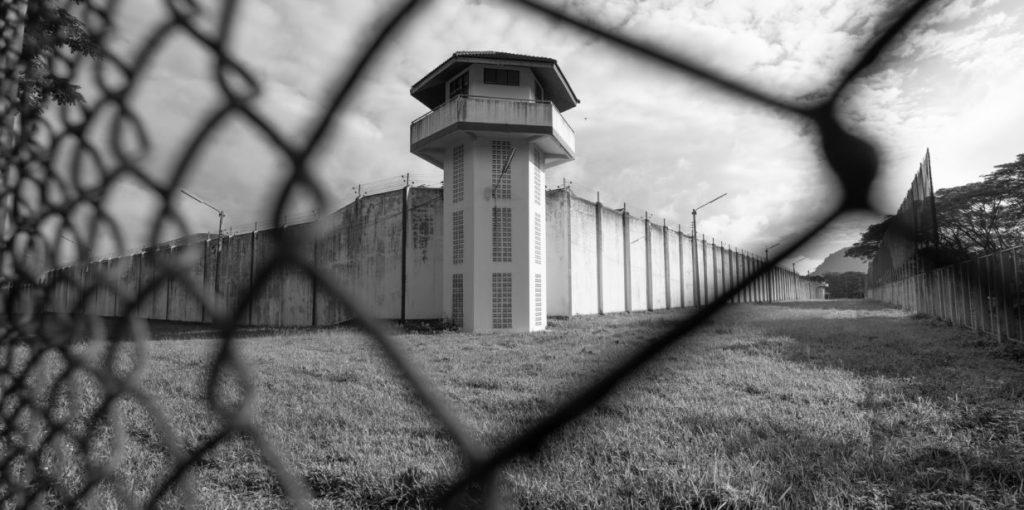
The voter-registration forms have been sent to incarcerated D.C. residents at 107 separate federal facilities across the U.S., allowing them to vote.
Prisoners voting. What exactly are they voting for? Crime? It’s certainly not law and order. Higher taxes? Why not? They’re not paying. But hey, that’s the Democrat constituency.
It’s not just stupid. It’s dangerous. Deadly combo.
- Buy All-American!
- Bring health and vitality back to your body with these non-transdermal patches
- Get your Vitamin B17 & Get 10% Off With Promo Code TIM
- How To Protect Yourself From 5G, EMF & RF Radiation - Use promo code TIM to save $$$
- The Very Best All-American Made Supplements On The Market
- Grab This Bucket Of Heirloom Seeds & Save with Promo Code TIM
- Here’s A Way You Can Stockpile Food For The Future
- Stockpile Your Ammo & Save $15 On Your First Order
- Preparing Also Means Detoxifying – Here’s One Simple Way To Detoxify
- The Very Best Chlorine Dioxide
- All-American, US Prime, High Choice Grass-Fed Beef with NO mRNA, hormones or antibiotics... ever!
District of Columbia sends 2,400 incarcerated residents voter registration forms
New D.C. law allows felons to vote from prison in the November election
The District of Columbia Board of Elections has sent voter-registration forms to roughly 2,400 incarcerated felons for the November elections, implementing a new municipal law that allows individuals with a felony record to vote.
The voter-registration forms have been sent to incarcerated D.C. residents at 107 separate federal facilities across the U.S., allowing them to vote by absentee ballot this November. The district in July restored voting rights to people serving time for felony convictions.
Maine and Vermont have similar measures.
A D.C. election board official said Wednesday that the agency is working with the Federal Bureau of Prisons to ensure registration forms can be returned fast enough for the inmates to vote.
In Iowa, most residents with felony records can vote, but only after they have completed their time, following an executive order signed last month by GOP Gov. Kim Reynolds. Florida courts are considering a similar plan.
Article posted with permission from Pamela Geller